

Emergency safety showers are essential fixtures in environments where individuals are at risk of exposure to hazardous substances. These installations provide on-the-spot decontamination, allowing workers to rapidly wash away any harmful materials that come into contact with their skin or eyes. In industries ranging from chemical manufacturing to scientific research laboratories, the presence and correct use of emergency safety showers can be the difference between minor exposure and serious injury or even fatality.
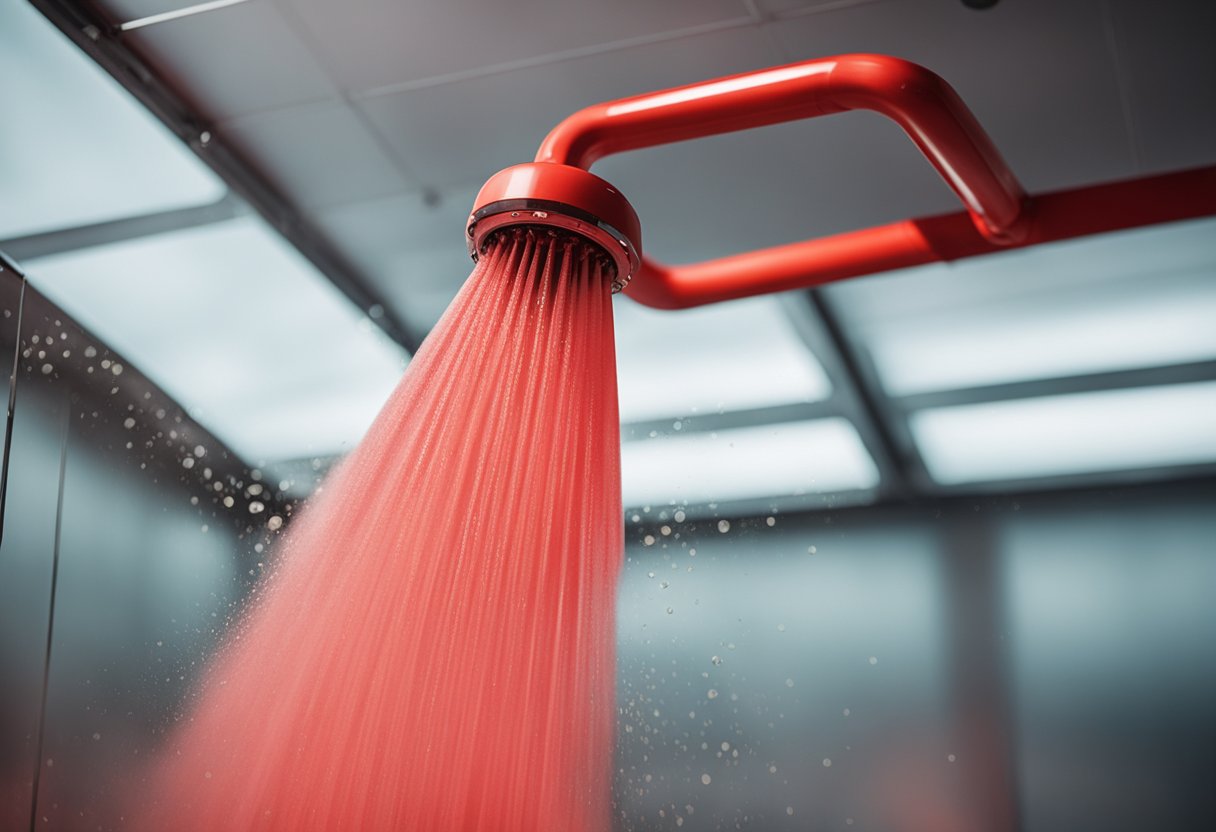
Understanding the proper specification, installation, and maintenance of emergency safety showers is crucial for employee safety and legal compliance. Employers are responsible for ensuring that these safety devices are not only easily accessible in case of an emergency but also fully functional and conforming to relevant health and safety regulations. Showers must be activated within seconds in the event of an accident, providing an ample flow of water to effectively flush out contaminants.
Training and awareness are equally fundamental as having the physical equipment in place. Employees must be familiar with the location and operation of safety showers within their working environment. Regular drills and clear instructional signage contribute to an effective response during an emergency. Ensuring both compliance with safety standards and the wellbeing of individuals, emergency safety showers represent a critical component of occupational health and safety practices.
Types and Features of Emergency Safety Showers
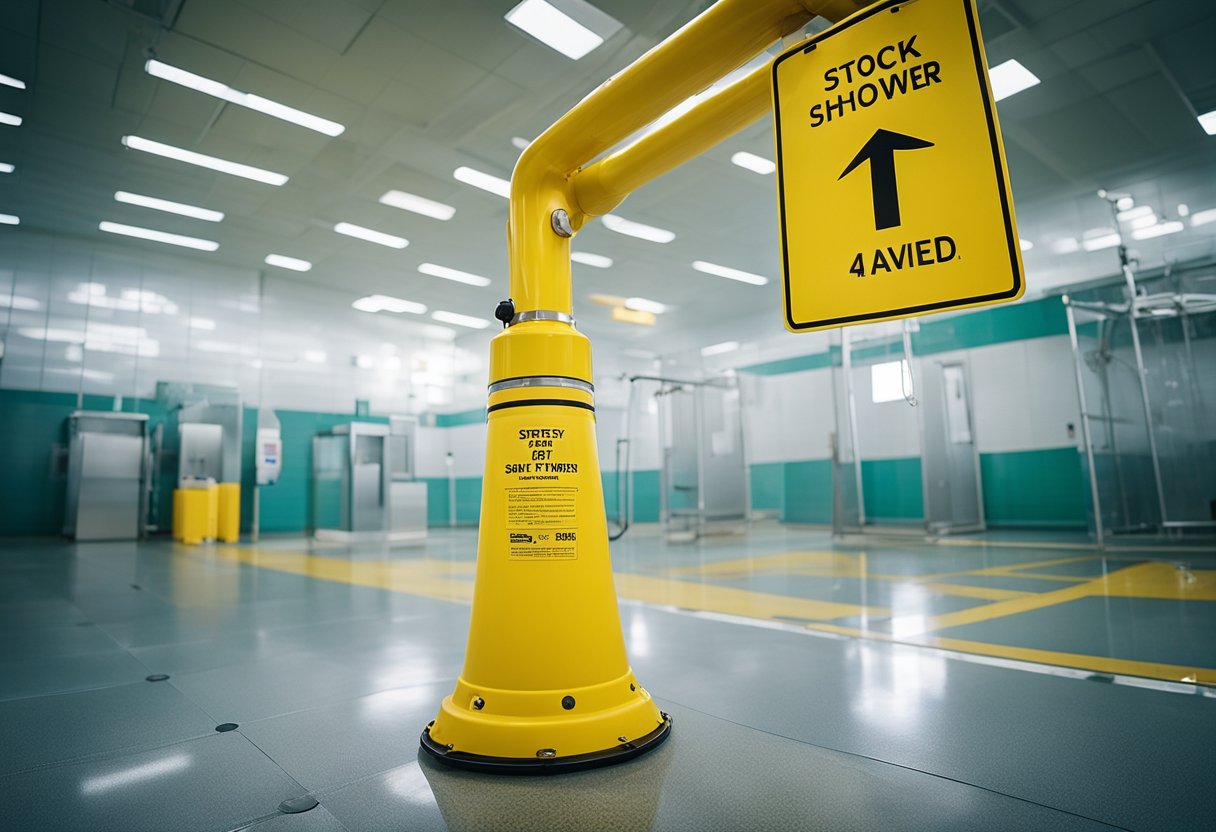
Emergency safety showers are crucial in environments where individuals are exposed to hazardous substances. These devices provide immediate decontamination, reducing the risk of injury or chemical burns.
Plumbed Safety Showers
Plumbed safety showers are permanently connected to a source of potable water. They are typically installed in fixed locations where hazardous materials are handled.
- Activation: They feature a pull rod or a lever for quick activation in an emergency.
- Water Supply: Must be connected to a reliable source of clean water, capable of delivering at least 75.7 litres of water per minute for a minimum of 15 minutes.
- Temperature: Equipped with a thermostatic control valve to regulate water at a tepid temperature to prevent hypothermia or thermal shock.
Portable Safety Showers
Portable safety showers are self-contained units that can be transported to various locations. They are ideal for sites without direct access to a plumbed water supply.
- Capacity: Typically, they hold between 120 to 450 litres of water.
- Activation: Much like plumbed showers, they have a straightforward activation mechanism; however, operating times are limited by the water tank capacity.
- Water Treatment: Water in portable units may include an additive to prevent bacterial growth.
Combination Units
Combination units integrate a safety shower with an eyewash station, offering a comprehensive decontamination solution.
- Design: Combination showers are designed to provide simultaneous drenching and eye flushing capabilities.
- Compliance: They conform to ANSI Z358.1 standards, ensuring functionality and safety.
- Features: Often feature a foot pedal for eyewash activation, leaving hands free to hold the eyes open during flushing.
Usage and Operating Procedures
Emergency safety showers are essential for immediate decontamination of individuals who have been exposed to hazardous substances. Correct usage and regular testing are critical for ensuring the safety and effectiveness of these devices in an emergency.
Activation and Deactivation
To activate an emergency safety shower, the user must pull the handle or push the activation lever, which should be clearly marked and easy to locate. The shower will continue to run until manually turned off, allowing the user to step away if necessary. Deactivation involves pushing or pulling the same mechanism used to start the shower, ensuring the water supply ceases completely.
Training and Drills
Employees should receive thorough training on the location and operation of safety showers. Drills should be conducted regularly to ensure individuals can react quickly and effectively in an emergency situation.
- Location Familiarisation: All personnel must be made aware of the showers’ locations.
- Operation Instructions: Clear instructions should be provided for the use of the showers.
- Drill Frequency: Drills should be conducted semi-annually at a minimum.
Maintenance and Inspection
Regular maintenance and inspection are vital to ensure emergency safety showers are in good working order. A documented inspection schedule should be maintained and adhered to.
| Inspection Frequency | Task |
|---|---|
| Weekly | Visual check for clear access |
| Monthly | Flow rate and temperature test |
| Annually | Full system inspection |
Inspectors should look for signs of wear, correct water pressure, and any obstructions that may impede a user’s access to the shower. Any issues identified should be rectified promptly to maintain optimal functionality.


